TDICDTS Talend Data Integration: 5 Essential Syllabus Changes
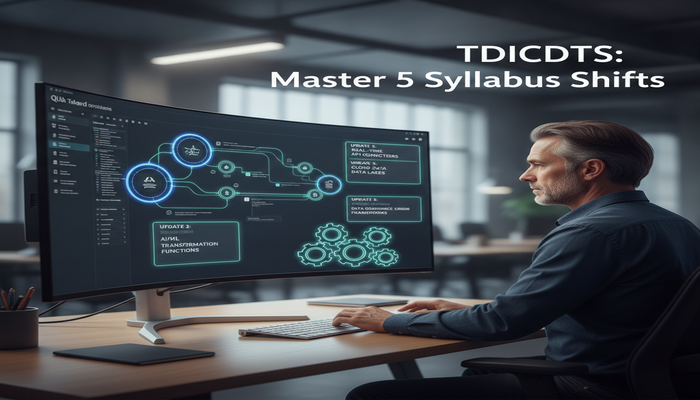
In the rapidly evolving world of data, staying updated with the latest technologies and certifications is crucial for any professional. For data integration specialists, the Qlik Talend Data Integration Certified Developer Using Talend Studio certification, identified by the exam code TDICDTS, represents a significant benchmark of expertise. Qlik, a leader in data analytics and integration, continually refines its certification programs to reflect current industry demands and technological advancements.
This article provides an in-depth look at the recent updates to the TDICDTS Talend data integration exam syllabus, highlighting 5 essential changes that candidates must be aware of. These updates ensure that certified professionals possess the most relevant skills for modern data integration challenges, particularly within the powerful Talend Studio environment.
Understanding the Qlik TDICDTS Certification
The Qlik Talend Data Integration Certified Developer Using Talend Studio certification is designed for developers who design, develop, and deploy data integration solutions using Talend Studio. This certification validates a candidate's ability to extract, transform, and load (ETL) data efficiently, ensuring data quality, consistency, and accessibility across various systems. It is a critical credential for those looking to excel in roles requiring proficiency in data warehousing, data migration, and master data management.
Achieving this certification demonstrates a deep understanding of Talend Studio's capabilities, from job design and component usage to error handling and performance tuning. It signifies to employers that you are equipped with the practical skills needed to tackle complex data integration projects effectively, driving business intelligence and operational efficiency.
Qlik TDICDTS Exam Overview
The TDICDTS exam assesses a candidate's practical and theoretical knowledge of Qlik Talend Data Integration concepts and tools. Here's a quick overview of the exam details:
- Exam Name: Qlik Talend Data Integration Developer Using Talend Studio
- Exam Code: TDICDTS
- Exam Price: $250 (USD)
- Duration: 90 minutes
- Number of Questions: 55
- Passing Score: 70%
For complete details and the most up-to-date information regarding exam objectives and registration, candidates should always refer to the official Qlik Talend Data Integration Certified Developer Using Talend Studio exam page.
The Evolving Landscape of Data Integration with Talend Studio
Data integration is a dynamic field, constantly influenced by new data sources, cloud computing, and evolving business requirements. Qlik's acquisition of Talend has further solidified its position, integrating advanced data integration capabilities with powerful analytics. As a result, the Qlik Talend Studio certification exam topics are regularly reviewed to ensure they align with the cutting-edge practices and functionalities within Talend Studio.
These updates reflect a greater emphasis on efficiency, scalability, and robust data governance, crucial for modern enterprises. Aspiring certified developers must understand these shifts to adequately prepare for the Qlik TDICDTS certification exam syllabus. For a comprehensive overview of the expected knowledge and skills for this certification, you can visit our dedicated resource on the Qlik TDICDTS certification exam syllabus.
The adjustments to the TDICDTS exam objectives are not merely cosmetic; they represent a strategic enhancement to produce developers who are not only proficient in the tools but also adept at applying best practices in real-world scenarios. The core areas of data integration, while fundamental, are now viewed through the lens of performance optimization, advanced error handling, and streamlined project workflows.
Staying current with these changes is paramount for success, both in passing the exam and in building a successful career as a Qlik Talend Data Integration Certified Developer. The certification path for Qlik Talend Data Integration professionals is designed to validate expertise that is immediately applicable and highly valued in the marketplace.
5 Essential Syllabus Changes for TDICDTS Talend Data Integration
The Qlik TDICDTS certification exam syllabus has undergone crucial refinements to reflect the current state of data integration. Here are 5 essential areas that have seen updated emphasis, demanding a fresh approach from candidates:
1. Enhanced Focus on Error Handling and Robustness
Modern data integration solutions must be resilient. A significant shift in the TDICDTS syllabus is the heightened importance placed on comprehensive error handling and building robust data pipelines. This goes beyond basic try-catch mechanisms, delving into more sophisticated strategies for identifying, logging, and recovering from data processing errors. Candidates are now expected to demonstrate a deeper understanding of how to implement fault-tolerant jobs that can gracefully manage unexpected data formats, connection failures, or processing exceptions.
The updated syllabus emphasizes the use of advanced error handling components within Talend Studio, alongside best practices for logging. This includes understanding log levels, outputting detailed error messages, and configuring notification systems for critical failures. Mastery of these concepts ensures that integrated data solutions are not only functional but also reliable and maintainable, crucial for high-availability systems. Developing expertise in managing logs and errors in Talend Integration Jobs is now more vital than ever.
This expanded focus also ties into the overall quality of data, as proactively addressing errors reduces data inconsistencies and improves the trustworthiness of insights derived from integrated data. Candidates should prepare to design and troubleshoot complex error scenarios, ensuring data integrity throughout the ETL process. The ability to anticipate potential pitfalls and architect solutions that can self-correct or provide clear diagnostic information is a hallmark of an advanced Talend Data Integration Developer.
2. Advanced Job Orchestration and Scheduling
The ability to manage and automate complex data workflows is central to enterprise-level data integration. The TDICDTS syllabus now places a stronger emphasis on advanced job orchestration and scheduling techniques. This includes designing intricate job dependencies, using metadata for dynamic job execution, and understanding how to effectively schedule jobs for optimal performance and resource utilization. Developers are expected to know how to leverage Talend features for parallel processing, load balancing, and managing job sequences that might span multiple projects or environments.
Candidates should be proficient in using context variables to drive dynamic job behavior and in creating master jobs that control the execution of multiple sub-jobs. The focus extends to integrating Talend jobs with external schedulers and understanding how to monitor their performance and status within an operational environment. This ensures that data is processed in a timely and efficient manner, meeting business SLAs. Deep familiarity with orchestration capabilities in Talend Integration is critical for this section.
This area of the syllabus also incorporates understanding the various execution modes and deployment strategies that can impact job orchestration, such as deploying jobs to a Talend Runtime or integrating with cloud-native scheduling services. The goal is to produce developers who can not only build individual data flows but also architect comprehensive, automated data pipelines that are scalable and maintainable over time.
3. Deep Dive into Data Transformation and Joins
Data transformation remains the heart of any integration process, but the syllabus now demands a more nuanced understanding of advanced transformation techniques, particularly concerning data joining and filtering. While basic `tMap` operations are foundational, the revised curriculum emphasizes optimizing complex join conditions, handling various types of joins (inner, outer, left, right), and efficiently filtering large datasets to improve job performance. This involves a deeper exploration of lookup mechanisms, data deduplication, and aggregation within Talend Studio.
Candidates should be adept at designing efficient transformation flows that minimize resource consumption and maximize throughput. This includes understanding the impact of data volumes on transformation strategies and choosing the right components for specific scenarios. Practical application of the `tMap` component for sophisticated data manipulation, including expression builders and variable handling, is now a core competency. Exploring data integration job examples, especially with `tMap`, will be highly beneficial.
The renewed emphasis also touches upon data quality aspects within transformation, such as handling null values, standardizing data formats, and resolving inconsistencies during the transformation phase. This holistic approach ensures that transformed data is not only correctly shaped but also meets high standards of quality, preparing it for analytical consumption or loading into target systems.
4. Optimized Project Management and Best Practices in Talend Studio
Beyond technical proficiency, the TDICDTS exam now places a greater focus on applying robust project management methodologies and best practices within the Talend development lifecycle. This change highlights the importance of collaborative development, version control, code reusability, and adherence to enterprise standards. Candidates are expected to understand how to effectively manage Talend projects, including setting up development environments, using shared repositories, and implementing Continuous Integration/Continuous Deployment (CI/CD) practices for Talend jobs.
The updated syllabus stresses the importance of documentation, naming conventions, and creating reusable components and routines to accelerate development and improve maintainability. It also covers understanding security considerations within a Talend project, such as managing user roles and permissions, and securing sensitive data. Proficiency in these areas ensures that developers can contribute effectively to larger team environments and produce high-quality, maintainable, and secure data integration solutions. A thorough review of the Talend Software Development Life Cycle Best Practices Guide is highly recommended.
This comprehensive view of project management aims to equip developers not just with coding skills but also with the organizational and strategic mindset needed to deliver successful data integration projects in complex corporate environments. This includes understanding the various stages of the development lifecycle, from requirements gathering to deployment and maintenance.
5. Modern Approaches to Database Integration and Connectivity
Databases remain a cornerstone of data integration, and the TDICDTS syllabus has been updated to reflect modern approaches to connecting and interacting with various database systems. This includes a deeper dive into different database types (relational, NoSQL, data warehouses), efficient connectivity methods, and optimizing database operations within Talend Studio jobs. Candidates should be proficient in using database-specific components, managing database connections, and performing complex SQL operations directly from Talend jobs.
The updated emphasis also covers understanding performance considerations when interacting with databases, such as batch processing, bulk loading, and choosing between different database components for optimal performance. This ensures that developers can design data integration jobs that efficiently extract from, load into, and transform data within a wide array of database environments, including cloud-based databases. Familiarity with the diverse range of Talend Components, especially those for database interactions, is essential.
Furthermore, the syllabus now considers aspects of secure database connectivity and handling sensitive credentials within Talend jobs. This prepares developers to build robust and secure data pipelines that adhere to enterprise security policies, a critical aspect of modern data integration. The ability to troubleshoot database connectivity issues and optimize database-related job steps is a key skill. This section ensures that professionals are ready to integrate data from virtually any data source or target, including the latest database technologies.
Preparing for the Qlik TDICDTS Exam
Successful preparation for the Qlik Talend Data Integration Developer Using Talend Studio exam requires a multi-faceted approach, combining theoretical knowledge with practical, hands-on experience. Given the recent syllabus updates, focusing on the emphasized areas is more important than ever.
Start by thoroughly reviewing the Talend Data Fabric Getting Started Guide and the Talend Studio User Guide. These resources provide foundational knowledge and practical instructions for navigating Talend Studio. Work through examples, paying close attention to the new areas of focus, such as advanced error handling, job orchestration, and optimized transformations.
Hands-on practice is indispensable. Set up a local Talend Studio environment and experiment with creating various data integration jobs. Build jobs that incorporate complex data transformations, implement robust error handling mechanisms, and practice deploying and orchestrating jobs. Use context variables extensively to simulate real-world scenarios and test job flexibility.
Consider enrolling in official Qlik Talend Data Integration training courses if available, as these are often updated to align with the latest exam objectives. Participate in online forums and communities to learn from other professionals and clarify doubts. Additionally, exploring a variety of TDICDTS practice exam questions can help you gauge your understanding and identify areas needing further study. For effective strategies on passing your Qlik exams, you might find valuable insights in this article on Qlik exam passing strategies.
Benefits of Qlik Talend Data Integration Certification
Earning the Qlik Talend Data Integration Certified Developer Using Talend Studio certification offers numerous benefits for your career:
- Enhanced Credibility: It validates your expertise in a highly sought-after skill set, making you a more attractive candidate in the job market for Talend Data Integration Developer jobs.
- Career Advancement: Certified professionals often qualify for higher-level positions and increased responsibilities within their organizations.
- Increased Earning Potential: Industry certifications, especially from reputable vendors like Qlik, are frequently associated with higher salaries. The demand for skilled computer and information technology professionals, including data integrators, continues to grow, as highlighted by data from the Bureau of Labor Statistics.
- Deepened Expertise: The preparation process itself enhances your knowledge and practical skills, making you a more effective and efficient developer.
- Industry Recognition: Qlik is a significant player in the data and analytics space. Being certified by Qlik, a company with a strong history in data analytics and a growing presence in data integration (learn more about Qlik on Wikipedia), boosts your professional standing.
- Staying Current: The updated syllabus ensures your skills are current with the latest Talend Studio features and industry best practices.
These benefits collectively contribute to a robust career path in data integration, providing a competitive edge in a demanding technological landscape.
Exam Registration and Scheduling
Once you feel adequately prepared, the next step is to register and schedule your Qlik TDICDTS exam. The process typically involves visiting the official Qlik certification portal.
To find available exam slots and register for your Qlik Talend Data Integration Developer Using Talend Studio exam, you can visit the Qlik exam schedule page. Be sure to review all registration requirements and exam policies before finalizing your booking.
It is advisable to schedule your exam well in advance to secure your preferred date and time, especially if you have specific study timelines. Carefully read through the terms and conditions related to rescheduling or cancellation to avoid any complications.
Conclusion
The TDICDTS Talend data integration certification remains a cornerstone for data professionals aiming to validate their expertise in Qlik Talend Studio. The recent syllabus changes underscore Qlik's commitment to ensuring that its certified developers are equipped with the most current and relevant skills demanded by the industry. By focusing on enhanced error handling, advanced job orchestration, sophisticated data transformation, refined project management, and modern database integration techniques, candidates can effectively prepare for the exam and excel in their data integration careers.
Embracing these updates is not just about passing an exam; it's about cultivating a deeper understanding of robust, scalable, and efficient data integration practices. Invest in your preparation, leverage the official resources, and practice diligently to become a certified Qlik Talend Data Integration Developer. Your commitment will pave the way for significant professional growth and opportunities in the dynamic world of data. For more guidance on mastering Qlik certification exams, explore additional resources like our insights on mastering Qlik certification exams.
Frequently Asked Questions (FAQs)
1. What is the primary focus of the Qlik TDICDTS certification?
The Qlik TDICDTS certification, or Qlik Talend Data Integration Certified Developer Using Talend Studio, primarily focuses on validating a developer's ability to design, develop, deploy, and manage data integration solutions using Talend Studio, emphasizing efficient ETL processes, data quality, and robust job execution.
2. How many essential syllabus changes are highlighted for the TDICDTS exam?
This article highlights 5 essential syllabus changes for the TDICDTS Talend data integration exam, focusing on updated emphasis in areas like error handling, job orchestration, data transformation, project management best practices, and modern database integration.
3. What are the key benefits of becoming a Qlik Talend Data Integration Certified Developer?
Key benefits include enhanced professional credibility, career advancement opportunities, increased earning potential, a deeper understanding of Talend Studio, industry recognition from Qlik, and ensuring your skills are current with the latest data integration practices.
4. Are there any prerequisites for taking the TDICDTS exam?
While Qlik does not always list formal prerequisites, candidates are generally expected to have significant hands-on experience with Talend Studio, ideally at least 6-12 months, in designing and implementing data integration solutions to successfully tackle the Qlik Talend Data Integration Developer exam objectives.
5. Where can I find official study materials for the TDICDTS exam?
Official study materials and documentation can be found on the Qlik Learning Portal and Talend Help Center. Recommended resources include the Talend Data Fabric Getting Started Guide, Talend Studio User Guide, and various Talend component documentation for thorough preparation for the Qlik Talend Studio certification exam topics.



Comments
Post a Comment